Common challenges in Metal Castings and how to ensure quality
Wiki Article
The Necessary Uses of Aluminum Foundry in Numerous Industries and Their Impact
Aluminum foundries serve as a necessary source within various markets. Their durable and light-weight products significantly enhance efficiency in vehicle, aerospace, building, and electronics markets. As each industry leverages aluminum's unique buildings, they additionally add to sustainability initiatives. This complex impact triggers a much deeper expedition of how Aluminum formed these industries. What certain developments and advantages emerge from its use?Automotive Sector Applications
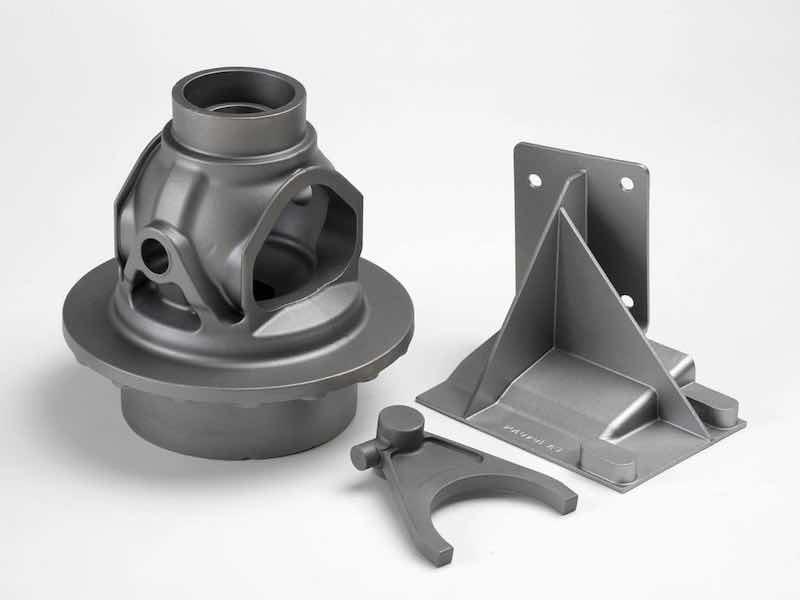
The automobile market increasingly relies upon Aluminum Foundry applications to improve lorry efficiency and performance. Light weight aluminum's lightweight nature contributes considerably to fuel economic situation, making it a preferred selection for makers intending to decrease emissions and enhance total vehicle dynamics. Elements such as engine blocks, transmission housings, and wheels are typically generated via Aluminum casting procedures, enabling detailed designs that satisfy strenuous safety and performance requirements.
Aerospace Innovations

The usage of aerospace-grade Aluminum alloys enhances resistance to corrosion and exhaustion, essential for the requiring environments airplane face. Advancements in additive production additionally permit fast prototyping and personalization of elements, reducing lead times and prices.
Construction and Facilities
While the building and construction and framework sectors remain to progress, Aluminum factories are increasingly recognized for their contributions to modern-day structure techniques. Light weight aluminum's lightweight nature and high toughness make it a suitable product for various structural applications. Shops supply parts such as beams, frameworks, and facades that boost the durability and longevity of structures and infrastructure jobs.Additionally, light weight aluminum's rust resistance plays an important duty in prolonging the life expectancy of frameworks subjected to extreme environmental conditions. The energy efficiency of Aluminum items also straightens with lasting building efforts, adding to reduced power consumption in building and construction. Furthermore, cutting-edge casting strategies have broadened the style possibilities, permitting designers and designers to create cosmetically pleasing yet useful structures.
Electronic devices Production
Aluminum foundries play a considerable function in the electronic devices manufacturing market, where the demand for light-weight and thermally conductive materials is extremely important. Wisconsin Aluminum Foundry. Elements such as heat sinks, casings, and brackets are often created utilizing Aluminum due to its excellent thermal homes and capacity to dissipate warm successfully. This is vital in electronic gadgets, where getting too hot can bring about failing and lowered performanceThe adaptability of Aluminum enables intricate layouts and exact machining, which are necessary in modern electronic devices. On top of that, light weight aluminum's non-magnetic residential properties make it suitable for applications in sensitive electronic devices, reducing interference. Moreover, aluminum's resistance to deterioration boosts the sturdiness of electronic components, guaranteeing long life and reliability.
Sustainability and Recycling Initiatives
Given the boosting emphasis on environmental responsibility, the Aluminum Foundry sector has made considerable strides in sustainability and recycling efforts. Aluminum is naturally recyclable, enabling foundries to recycle and redeem product with very little power expense compared to primary production. This closed-loop recycling process not only lowers waste however also lowers greenhouse gas discharges, adding to a much more lasting production model.In addition, many factories are taking on energy-efficient modern technologies, consisting of renewable resource resources, to power their procedures (Wisconsin Aluminum Foundry). This change not only decreases reliance on nonrenewable fuel sources however also boosts total functional efficiency
Market collaborations are additional advertising sustainable methods, such as sharing finest techniques and creating innovative reusing methods. By prioritizing these efforts, the Aluminum Foundry market is placing itself as a leader in lasting production, aligning with international targets for sustainability while meeting the demands of numerous industries.
Regularly Asked Concerns
What Are the Primary Advantages of Utilizing Aluminum in Foundry Processes?
The primary advantages of using Aluminum in Foundry processes include its lightweight nature, outstanding deterioration resistance, high thermal and electrical conductivity, and convenience, enabling intricate designs and reliable recycling, eventually boosting general manufacturing performance and minimizing costs. - Aluminum FoundryJust How Does Aluminum Foundry Influence Product Lifecycle Management?
Aluminum Foundry Continue considerably enhances item lifecycle monitoring by enabling efficient product usage, lowering waste, and facilitating recycling. Its lightweight residential properties improve transport efficiency, while resilience extends product life expectancy, ultimately contributing to sustainability and cost-effectiveness in production.Are There Details Difficulties in Aluminum Foundry Production?
Certain challenges in Aluminum Foundry manufacturing include managing temperature control, ensuring material top quality, lessening waste, and adapting to fluctuating market demands. These aspects can influence efficiency, expense, and overall competition within the market.What Precaution Are Crucial in Aluminum Foundry Procedures?
Crucial precaution in Aluminum Foundry procedures include individual safety devices, correct air flow, regular tools maintenance, hazard interaction, and emergency situation reaction training. Implementing these techniques warranties worker safety and security and decreases risks connected with high-temperature steel processing.Exactly how Does the Expense of Aluminum Compare to Other Steels in Foundry Usage?
The price of Aluminum is typically less than that of metals like copper and titanium, making it an economical option for lots of Foundry applications. This affordability adds to its widespread use throughout numerous markets.Aluminum shops serve review as a vital resource within various industries. The vehicle sector progressively depends on Aluminum Foundry applications to boost lorry performance and efficiency. The material's recyclability likewise aligns with the market's press towards sustainability, as recycled Aluminum calls for significantly less power to procedure contrasted to primary aluminum. Aluminum factories play a significant duty in the view it electronics making industry, where the need for thermally conductive and lightweight products is critical. Given the increasing emphasis on ecological duty, the Aluminum Foundry market has actually made considerable strides in sustainability and reusing initiatives.
Report this wiki page